Advertisement · Sponsored Editorial
A Spoonful of Honey Before Sunrise: An Old Mediterranean Habit Worth a Second Look
Long before supplements lined pharmacy shelves, coastal households in Greece and southern Italy folded honey into their morning ritual — a quiet habit passed from grandmother to daughter that researchers are only now starting to examine seriously.
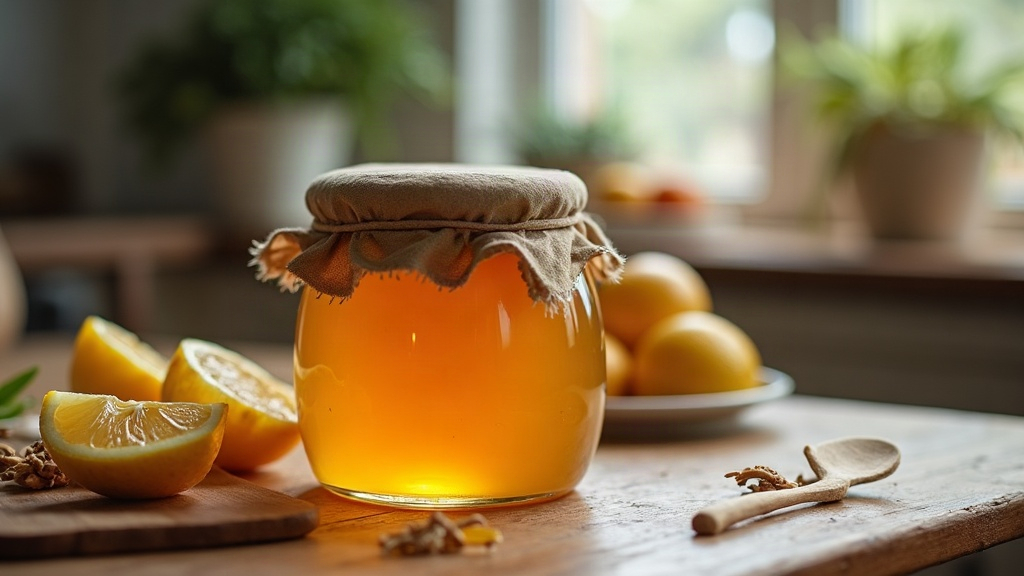
Why Memory Feels Different After 50
You walk into the kitchen for a reason, and by the time you’re standing at the counter, the reason has slipped away. It happens to your neighbor, to your sister, to nearly everyone past fifty — and on its own, it rarely means anything is wrong. What changes, quietly, are the small habits that once anchored the day.
The Pace of Everyday Life
Recall naturally takes a little longer with age, the same way a phone takes longer to load a page it hasn't opened in months. Many older adults notice this shift and, without realizing it, once relied on small rituals — a spoon of honey with breakfast, a slower start to the morning — that have since fallen away.
Sleep Patterns Shift
Sleep tends to become lighter and more fragmented after midlife, which can affect how the mind sorts through the day's events overnight. This is a well-documented part of aging, not a warning sign on its own.
Nutrition Habits Change
As routines get busier, simple traditional staples quietly disappear from daily meals — honey among them — replaced by convenience foods that weren't part of the diets many of us grew up with.
Stress Accumulates Quietly
Decades of low-grade stress don't announce themselves, but they add up. Many people only notice the cumulative effect when they try to concentrate during a demanding week and find it harder than it used to be.
Myths vs. Facts About Aging and Memory
Popular belief about memory after 50 is full of half-truths passed around at family dinners and comment sections alike. Here’s a closer look at three of the most common ones.
Forgetting names or dates means something is seriously wrong.
Occasional lapses are an expected part of normal aging and are not, by themselves, a sign of a medical condition.
Nothing about daily habits can support how the mind feels day to day.
Sleep, stress levels, and everyday nutrition all play a documented role in how sharp and steady we feel, according to general wellness research.
Traditional ingredients like honey are just old wives’ tales with no real interest from researchers.
Mediterranean dietary patterns, which have long included honey as a staple, remain a genuine and active subject of nutritional research.
A Simple Three-Part Morning Ritual
The ritual itself isn’t complicated — it’s the consistency that seems to matter most to the households that still practice it.
Choose the Right Moment
Coastal households traditionally built this habit into the first quiet minutes of the day, before the noise of errands and obligations set in.
Pair Honey With Warmth
A small amount of honey stirred into warm water, tea, or yogurt was the customary way it was taken — never as a standalone treatment, but as part of a shared morning meal.
Repeat With Consistency
Like most habits rooted in tradition, the practice was maintained daily over years, not treated as an occasional remedy reached for only during hard weeks.
Where This Ritual Actually Comes From
Along the Aegean and Ionian coasts, beekeeping has been woven into rural life for centuries, long before it became a subject for laboratories. Families kept hives on hillsides between olive groves, and honey was treated less as a sweetener and more as a pantry staple — stirred into breakfast, offered to guests, passed down jar by jar between generations. That everyday familiarity is part of why Mediterranean dietary patterns, honey included, have drawn sustained interest from nutrition researchers studying how whole-food traditions relate to long-term wellness, separate from any single ingredient acting alone.
The insight worth sitting with isn’t about one ingredient — it’s about the discipline of a daily ritual, repeated without interruption, that many modern routines have simply lost.
Signs Worth Mentioning to a Doctor
Sudden Confusion
A sharp, noticeable change in orientation or awareness that appears out of nowhere is worth discussing with a healthcare professional promptly.
Difficulty Following Conversations
Losing the thread of a conversation more often than usual, especially in familiar settings, deserves attention rather than dismissal.
Misplacing Items in Unusual Places
Occasionally misplacing keys is normal; finding them somewhere entirely illogical, repeatedly, is a pattern worth noting.
Getting Lost in Familiar Places
Feeling disoriented on a routine walk or drive is a signal that stands apart from typical, occasional forgetfulness.
Mood Changes Alongside Memory Changes
When shifts in memory arrive together with noticeable changes in mood or personality, a professional evaluation is the appropriate next step.
Difficulty With Familiar Tasks
Struggling with a task performed comfortably for years, like following a longtime recipe, is different from simple day-to-day forgetfulness.
What People Are Saying

These are individual experiences shared for illustrative purposes only. Results vary from person to person, and testimonials are not a guarantee of any particular outcome.
Frequently Asked Questions
No. This content is educational and describes a traditional dietary habit. It is not intended to diagnose, treat, cure, or prevent any disease or condition.
Honey has been a staple pantry ingredient in Mediterranean coastal households for generations, often incorporated into simple daily meals rather than used as a standalone remedy.
Traditional practice describes it as a daily habit, similar to how one might have coffee or tea each morning as part of a routine.
Anyone with a diagnosed medical condition, including diabetes, should consult a healthcare professional before changing their diet in any way.
The distinction described in Mediterranean tradition is consistency and context — a small, repeated ritual as part of a broader daily pattern, not an occasional indulgence.
The video walks through the tradition, its origins, and the broader context in more detail than a written page can cover.
No. This is educational content about a cultural tradition. It is not a substitute for professional medical advice, diagnosis, or treatment.
Curious How This Ritual Actually Works?
The short video walks through the full Mediterranean morning tradition, where it originated, and how households have kept it alive for generations.
Advertising Disclosure: This page contains sponsored content and affiliate links. We may receive compensation if you click a link or make a purchase through the links provided on this page. This helps support the operation of this site at no additional cost to you.
Content Disclaimer: The information provided on this page is for educational and informational purposes only and has not been evaluated by the Food and Drug Administration. It is not intended to diagnose, treat, cure, or prevent any disease or medical condition. Always consult a qualified healthcare professional before making any changes to your diet, lifestyle, or health routine.
Results Disclaimer: Individual results vary. Any testimonials, examples, or experiences shared on this page are individual cases and are not a guarantee that you will achieve the same or similar results. Statements have not been independently verified.
© 2026 comingupwork.com · All Rights Reserved